
Romance readers are dying for it. BookTok can't stop talking about it. And if you've ever put a book down just to stare at the ceiling... you already know exactly what this is about.
BookTok has been losing its mind over one word for months now, and it's not "why choose". It's Y E A R N.
Alyssa Morris, literary agent and one of the most plugged-in BookTok analyst writing today, puts it plainly: readers are dying for yearning. And one creator with over a million views on the topic said something that's quite visceral even by romance standardst:
"I need something that's gonna rip my heart out of my chest… because clearly I have no love life. So it needs to be in my books."
😳
The market is speaking
The biggest trending romance tropes of 2026 so far are slow burn, second chance, and enemies-to-lovers - the last two have been evergreen trends for a while - all of them based on wanting something you can't quite have yet. Readers are explicitly requesting books where characters don't get together until much, much later. Industry analysts are describing the 2026 romance market as readers who want books that "feel like weather" (I think that means it changes the atmosphere of your day?).
Fourth Wing stayed at #1 on the NYT list for 18 weeks and sold 2 million copies. You know what readers say when they explain why? The slow burn. Violet and Xaden and the 300 pages of almost.
Coming Up for Air by Megan Hart is another one of the most quietly devastating stories with Y E A R N. Eliska has loved Tom for most of her life. He was her brother's best friend. A tragic accident kept them apart for decades — stolen moments, unspoken longing, guilt they couldn't put down. Phew.
Why Y E A R N is having a moment rn
This makes me sad just writing it: most of us have never actually been someone's singular, non-negotiable priority.
We've been loved conditionally or equally as sad, desired incidentally. While the people in our lives are doing their best, their best involves competing demands, partial attention, and the occasional text back "k."
The romance hero remembers something she mentioned offhand three chapters ago and dealt with it quietly, without being asked. He has been watching her for years and said nothing. She is the only thing on his list, in a world where she has never made it to the top of anyone else's.
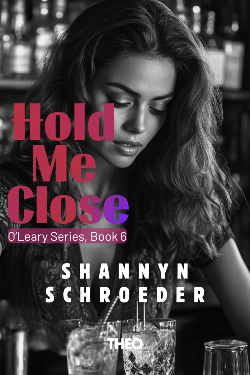
Hold Me Close by Shannyn Schroeder does this with Shane and Maggie. He has wanted her for as long as he can remember. She has no idea. And when she finally asks him for just one night — to help her conquer a fear, no strings — he obliges, because giving her whatever she needs is second nature to him. Sounds devastating, right?
A psychology student named Kristal Jensen, in a piece on the psychology of yearning, said it simply: people are drawn to stories of intense longing because they "never felt like they were at the end of somebody else's want or obsession."
Why it's happening right now specifically
Over 70% of dating app users report burnout. 74% of Gen Z say they feel lonely regularly, despite being more digitally connected than any generation in history.
We are swiping through hundreds of faces and feeling nothing. The apps promised connection and intimacy, but delivered a transactional slot machine. Researchers at Arizona State University tracked dating app users over 12 weeks and found they experienced increasing emotional exhaustion and inefficacy the longer they used the apps. The longer they were on, the worse they felt about their chances of connection. Which makes a terrible kind of sense: when your experience of desire is mostly rejection and silence, you stop believing you're worth wanting. And if you think about it, many BookTokers belong to the generation that grew up looking for intimacy on dating apps.
And so they pick up a romance novel where someone has been quietly devoted to another person for years without saying a word.
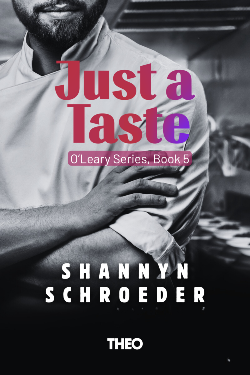
Just a Taste by Shannyn Schroeder has this. Liam shows up just when Carmen needs someone most — her father has just died, she's lost, she has no idea what she wants. He does not make it about himself. He just stays. The slow accumulation of someone choosing to be present, again and again, without announcement or expectation. That's what the apps don't deliver, but the books do.
Alyssa Morris also noted that readers are specifically nostalgic for romances from the late nineties and early 2000s - before the current market flooded with instant chemistry and high heat, and books that sprint to the bedroom (to be fair, I'm a big fan of these too). There's a reason those older books still circulate. They made you wait, and the emotional payoff was worth it.
The science (briefly, I promise)
By now, you know there will be science in any post I write. Here goes.
There is actually a neuroscience reason the slow burn works better than a quick resolution. Apparently, the brain has separate systems for wanting something (yearn) and enjoying it once you have it (HEA). They don't even use the same chemicals. The wanting system (dopamine, anticipation, pursuit) is older, louder, and harder to turn off. The enjoying system is quieter and easier to satisfy.
Which means that 300 pages of almost-touching is, chemically speaking, doing more work than the chapter where they finally get together.
Romance readers have always known this. The science is just catching up.
The messy, grown-up version
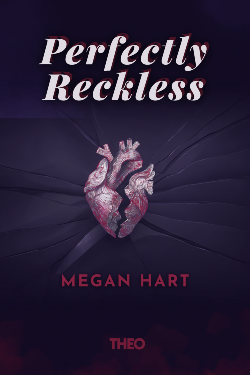
Not all yearning is clean and distant and safe. In Perfectly Reckless by Megan Hart, Maura isn't looking for a love triangle - she just wanted to feel alive again. Then comes Ian: all heat, hunger, and emotional whiplash. And Daniel: steady hands, soft heart… and complicated in all the ways that matter. What follows is messy, grown-up, and painfully honest - it's immediate and intense and heartbreaking tbh (till we reach the HEA). Tthe very definition of yearning.
The books doing this well - the ones leaving readers staring at the ceiling, putting them down to catch their breath, texting friends at midnight - are built on one question: what does it cost to want someone this much? I personally no longer believe that we have to burn for our happily ever after, but many other readers do. The slow burn and yearning is for them.
That question never gets old. And right now, in a world that has made real-life desire feel like a transaction with a poor conversion rate, readers are asking it louder than ever.